
A balanced, shapely figure can enhance how you feel about your appearance and confidence.Buttock Augmentation in Dubai offers several options for improving buttock volume, projection, and overall contour while aiming for results that complement your natural proportions. Whether you want subtle enhancement or a more defined silhouette, understanding the available techniques can help you approach your decision with realistic expectations.
What Is Buttock Augmentation?
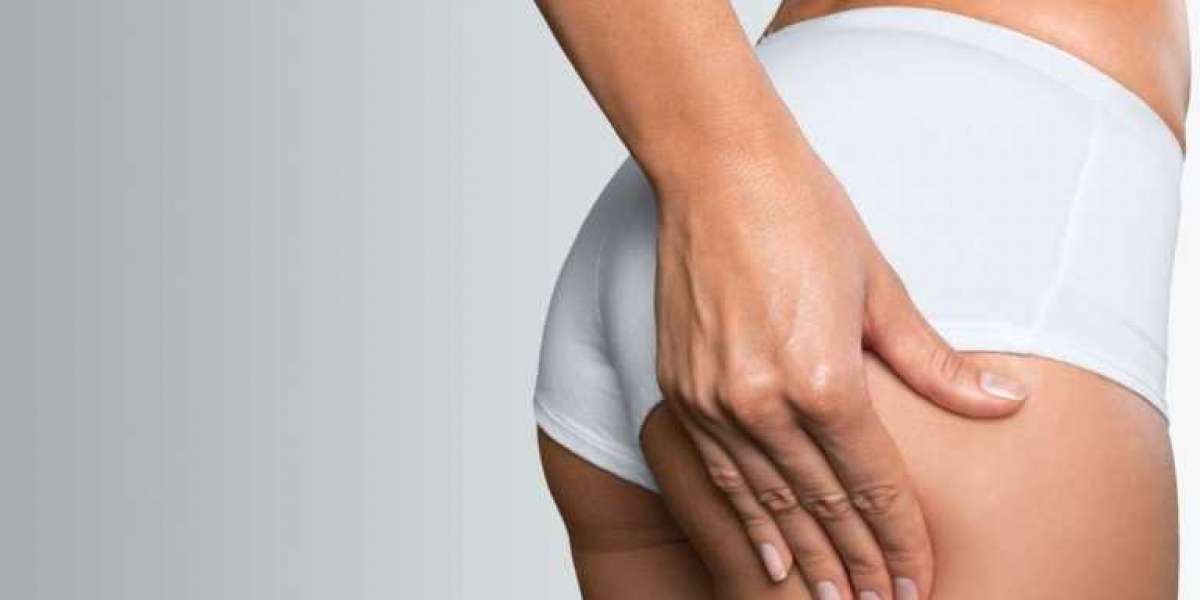
Buttock augmentation is a cosmetic procedure designed to increase the size, improve the shape, or enhance the projection of the buttocks. Depending on individual anatomy and aesthetic goals, enhancement may involve fat transfer or specially designed implants.
The goal is not simply to add volume. A well-planned procedure considers the relationship between the buttocks, waist, hips, thighs, and overall body frame to create a more harmonious appearance.
For beginners, it is useful to understand that every treatment plan is personalized. Factors such as existing body fat, skin quality, muscle structure, desired enhancement, and general health can influence which approach is appropriate.
Exploring Buttock Augmentation Techniques
There is no single technique that works for everyone. During a consultation, a qualified plastic surgeon can evaluate your anatomy and discuss the advantages and limitations of different approaches.
One commonly discussed option is fat transfer to the buttocks, sometimes known as a Brazilian Butt Lift (BBL). This approach uses fat collected from another area of the body through liposuction. After processing, suitable fat is strategically transferred to the buttocks to improve volume and contour.
Another option is buttock implants. These are medical-grade implants placed within the buttock region to provide additional projection and volume. Implants may be considered for people who do not have sufficient donor fat for fat transfer or who prefer an implant-based approach.
The choice depends on individual circumstances rather than a one-size-fits-all formula. Your surgeon should explain which technique is suitable and why.
How Fat Transfer Can Shape the Buttocks
Fat transfer can provide both contouring and augmentation because it involves removing fat from selected areas and using it to enhance another part of the body. Common donor areas may include the abdomen, flanks, thighs, or other areas with sufficient excess fat.
The process generally involves several stages:
- Assessment and planning: Your surgeon evaluates your proportions, available donor fat, skin quality, and aesthetic goals.
- Fat harvesting: Liposuction is used to collect fat from an appropriate donor area.
- Fat processing: The harvested fat is prepared so that suitable fat cells can be used for transfer.
- Strategic placement: The prepared fat is carefully injected into selected areas of the buttocks to improve shape and projection.
- Recovery and monitoring: Your body needs time to heal while the transferred fat establishes its long-term result.
Because some transferred fat may naturally be reabsorbed by the body, the final appearance can differ from the initial postoperative result. A surgeon can explain what degree of enhancement may realistically be achieved.
What Makes Buttock Enhancement Look Natural?
Natural-looking results depend heavily on proportion and surgical planning. Increasing volume without considering the surrounding body shape can create an appearance that feels disproportionate.
During body contouring, surgeons may consider the transition between the waist, hips, thighs, and buttocks. The objective is generally to create smooth curves rather than an isolated increase in size.
Several elements can influence the final aesthetic result:
- Your existing body proportions
- The amount and distribution of available body fat
- Skin elasticity
- Buttock shape and projection
- The desired degree of enhancement
- The selected augmentation technique
- Individual healing and recovery
Clear communication is equally important. Bringing realistic goals to your consultation can help your surgeon understand whether you prefer a subtle change, more noticeable projection, or improved symmetry.
Preparing for Your Buttock Augmentation Journey
Good preparation can make the treatment process easier to understand and may support a smoother recovery. Your surgeon will provide personalized instructions based on your chosen procedure and medical history.
Before treatment, you may discuss your general health, medications, allergies, previous procedures, lifestyle habits, and expectations. Your surgeon may also recommend specific preoperative measures depending on your circumstances.
It is important to choose a properly qualified and experienced plastic surgeon and an accredited medical facility. Ask questions about the technique being recommended, expected results, potential complications, recovery requirements, and follow-up care.
You should also understand that cosmetic surgery carries risks. Potential complications vary according to the procedure and can include infection, bleeding, changes in sensation, scarring, asymmetry, wound-healing problems, and other procedure-specific concerns. Fat-transfer procedures have additional safety considerations, so appropriate surgical technique and careful patient selection are particularly important.
Recovery and Maintaining Your Results
Recovery varies depending on the technique used and your individual healing process. Swelling, bruising, tenderness, and temporary discomfort can occur after surgery, while activity restrictions may be necessary during the initial healing period.
Your surgeon will provide instructions regarding movement, sleeping positions, wound care, medications, exercise, and when you can gradually return to everyday activities. Following these instructions carefully is an important part of recovery.
For fat-transfer procedures, protecting the transferred area during the early healing period may be especially important because the newly transferred fat cells need time to establish a blood supply. Your surgeon will explain the appropriate sitting and activity guidelines for your specific procedure.
Once healing is complete, maintaining a relatively stable weight can help preserve your overall body contour. Significant weight fluctuations may change the appearance of both the buttocks and the areas surrounding them.
Choosing the Right Approach for Your Goals
Deciding whether to undergo buttock augmentation should be based on your personal goals rather than trends or comparisons with other people. Social media images can create unrealistic expectations because photographs may be edited, posed, filtered, or taken under carefully controlled conditions.
A consultation provides an opportunity to discuss what you want to change and what can realistically be achieved. Your surgeon can assess your anatomy and explain whether fat transfer, implants, or another approach is appropriate.
If you are considering buttock enhancement in Dubai, prioritize safety, appropriate medical credentials, transparent communication, and realistic expectations. A trustworthy consultation should leave you understanding both the potential benefits and limitations of the procedure.
Takeaway: Enhance Your Shape with Confidence
A beautifully contoured figure is ultimately about balance, proportion, and results that suit your individual anatomy. Buttock Augmentation can offer a way to enhance volume and reshape the buttocks, but selecting the right technique and qualified surgical team is essential.
If you are considering this type of cosmetic enhancement, begin with a professional consultation. Discuss your desired shape, understand your available options, review the recovery process, and make an informed decision based on your own goals and safety.