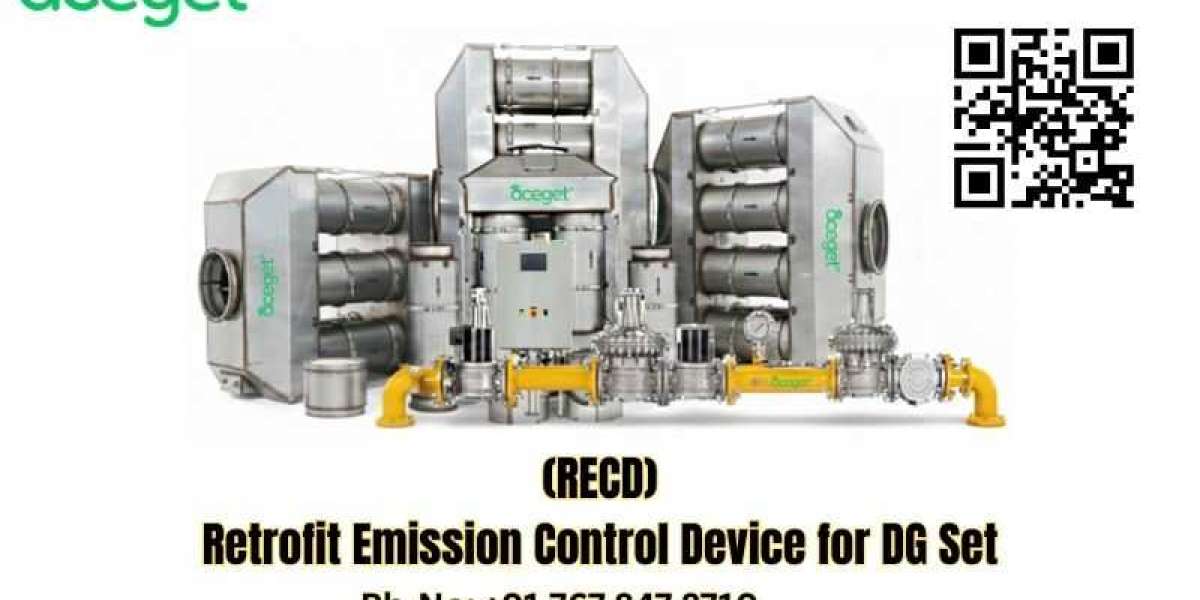

Diesel Generator DG sets play a critical role in providing backup power across industries, commercial buildings, hospitals, and infrastructure projects. However, their operation comes with a major drawbackhigh levels of air pollution. Emissions from DG sets contribute significantly to particulate matter PM, nitrogen oxides NOx, carbon monoxide CO, and hydrocarbons, all of which have adverse effects on human health and the environment. To address this growing concern, the Retrofit Emission Control Device RECDhas emerged as an effective and regulatorycompliant solution.
What is a Retrofit Emission Control Device RECD ?
A Retrofit Emission Control Device is an advanced pollution control system designed to be installed on existing DG sets without modifying the engine. As the name suggests, it is “retrofit,” meaning it can be added to old or new generators already in operation. The primary purpose of a Retrofit Emission Control Device is to reduce harmful exhaust emissions and bring DG sets in line with environmental norms prescribed by pollution control authorities.
RECD s are especially important in urban areas, where air quality regulations are becoming increasingly stringent and the use of DG sets during power outages is common.
Why DG Sets Need Retrofit Emission Control Devices
Diesel engines used in DG sets emit large quantities of fine particulate matter PM2.5 and PM10, which can penetrate deep into the lungs and bloodstream. Prolonged exposure can cause respiratory diseases, cardiovascular issues, and other serious health problems. Additionally, unregulated DG set emissions contribute to smog formation and climate change.
Regulatory bodies have recognized this issue and mandated the installation of Retrofit Emission Control Device systems on DG sets, particularly in metropolitan and nonattainment cities. Compliance is no longer optionalit is essential for legal operation.
How a Retrofit Emission Control Device Works
A Retrofit Emission Control Device typically consists of multiple stages of filtration and treatment to clean exhaust gases before they are released into the atmosphere. The working mechanism may include
- Diesel Oxidation Catalyst DOC Converts carbon monoxide and hydrocarbons into less harmful gases.
- Diesel Particulate Filter DPF Traps and removes particulate matter such as soot and smoke.
- Wet Scrubber or Dry Filtration Systems Further reduce fine particulates and soluble pollutants.
The integration of these technologies allows a Retrofit Emission Control Device to reduce particulate emissions by up to 90% or more, depending on the design and application.
Key Benefits of Retrofit Emission Control Device for DG Sets
1. Regulatory Compliance
Installing a Retrofit Emission Control Device helps RECD DG set owners comply with emission standards set by pollution control boards and environmental authorities. This avoids penalties, shutdowns, and legal complications.
2. Improved Air Quality
By significantly reducing harmful pollutants, a Retrofit Emission Control Device contributes to cleaner air, especially in densely populated areas and industrial zones.
3. Health Protection
Lower emissions mean reduced exposure to toxic pollutants for employees, residents, and the general public, leading to better overall health outcomes.
4. CostEffective Solution
Compared to replacing old DG sets with newer models, installing a Retrofit Emission Control Device is a more economical and practical alternative.
5. Easy Installation and Maintenance
Most Retrofit Emission Control Device systems are designed for quick installation and minimal maintenance, ensuring minimal downtime for DG set operations.
Applications of Retrofit Emission Control Device
The Retrofit Emission Control Device is widely used across various sectors, including
- Commercial buildings and IT parks
- Hospitals and healthcare facilities
- Manufacturing industries
- Construction sites
- Residential complexes
- Data centers and telecom towers
Anywhere DG sets are used extensively, the Retrofit Emission Control Device proves to be a valuable addition.
Choosing the Right Retrofit Emission Control Device
When selecting a Retrofit Emission Control Device, it is important to consider factors such as DG set capacity, operating hours, emission norms, and site conditions. The device should be certified or approved by relevant authorities and tested for efficiency and durability.
Partnering with an experienced manufacturer or solution provider ensures that the Retrofit Emission Control Device delivers optimal performance and longterm reliability.
The Future of Emission Control for DG Sets
As environmental awareness grows and regulations become stricter, the demand for Retrofit Emission Control Device solutions is expected to rise sharply. RECDtechnology will continue to evolve, offering higher efficiency, lower maintenance, and smarter monitoring systems.
In the transition toward sustainable energy and cleaner air, the Retrofit Emission Control Device serves as a crucial bridgeallowing existing DG sets to operate responsibly while minimizing their environmental impact.
Conclusion
The Retrofit Emission Control Device RECDis no longer just an optional upgrade for DG setsit is a necessity. By reducing harmful emissions, ensuring regulatory compliance, and promoting better air quality, RECD s play a vital role in building a cleaner and healthier future. For organizations that rely on DG sets, investing in a Retrofit Emission Control Device is not just a legal obligation, but a responsible step toward environmental stewardship.