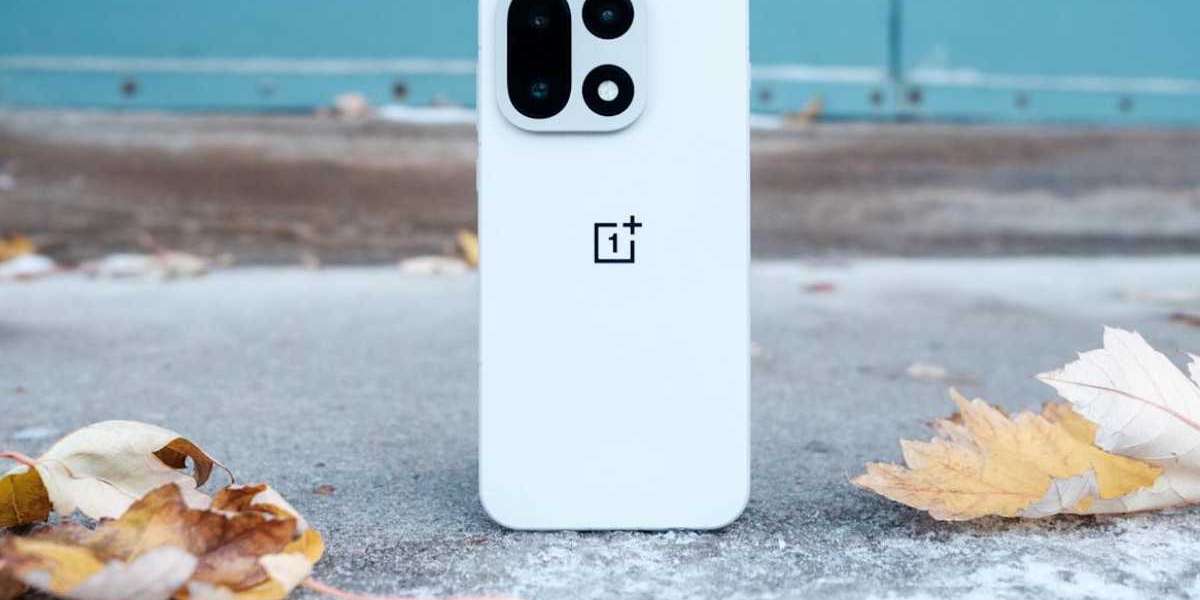

In the world of smartphone enthusiasts, the allure of the Chinese domestic market is undeniable. With the recent launch of the OnePlus 15 in early 2026, many savvy buyers are looking toward import sites to snag the latest flagship at a fraction of the global retail cost. On paper, it looks like a steal: the same cutting-edge hardware, the same massive battery, but with a price tag that makes your wallet breathe a sigh of relief.
However, before you hit that "Buy Now" button on a OnePlus 15 (Chinese Version), there are several critical factors to consider. Importing a device built for the Chinese market is not quite as simple as "plug and play." From software quirks to network limitations, here is everything you need to know about navigating the Chinese-to-Global transition.
The Software Great Divide: ColorOS vs. OxygenOS
The most immediate difference you will notice is the software. In China, OnePlus devices ship with ColorOS, which is the same operating system used by its parent company, OPPO. While ColorOS has become incredibly polished and feature-rich, it is fundamentally different from the OxygenOS found on global models.
The Chinese version comes pre-loaded with local bloatware and lacks a built-in Google Play Store. While it is possible to "globalize" the device by sideloading Google services or even flashing the Global OxygenOS ROM, this process carries risks.
AI Integration and Voice Assistants
The Chinese version of the OnePlus 15 features deep integration with local AI assistants and services that are largely useless outside of China. While the Global version utilizes Google Gemini and Google Assistant for its AI features, the Chinese model relies on native Chinese LLMs. Even if you install Google apps, the native voice-wake features may still prioritize the Chinese assistant, leading to occasional friction in daily use.
Hardware Homogeneity: The 7,300mAh Beast
There is good news on the hardware front. Unlike some previous generations where certain regions got "watered down" versions, the OnePlus 15 hardware is largely identical across the globe. You are getting the Snapdragon 8 Elite Gen 5, the stunning 165Hz LTPO OLED display, and the record-breaking 7,300mAh Silicon NanoStack battery.
One unexpected benefit of the Chinese version is the box contents. In many regions, global OnePlus models are shipping with only a charging cable to comply with environmental regulations. However, the Chinese retail unit still typically includes a 120W SUPERVOOC charging brick and a protective case. For many, these "freebies" add significant value to the import package.
The Missing Piece: No eSIM Support
Perhaps the biggest hardware drawback for travelers is the lack of eSIM support in the Chinese model. The Chinese OnePlus 15 is strictly a physical Dual Nano-SIM device. The Global version, however, supports two physical SIMs plus two eSIM profiles. If you frequently travel or use digital SIMs for work, the Chinese version may prove to be a significant inconvenience.
Network Bands and Connectivity in Australia
Before buying a Chinese import, you must check the 4G and 5G band compatibility with your local carrier. In Australia, the OnePlus 15 (Chinese Version) supports most major bands used by Telstra, Optus, and Vodafone, but it often lacks specific "anchor bands" used in rural or North American regions.
5G and Signal Reliability
While you will likely get 5G in major cities like Sydney or Melbourne, the Chinese version lacks support for mmWave 5G (n257). This technology is mostly used in high-density areas like stadiums or CBDs to provide ultra-fast speeds. For most users, the standard sub-6GHz 5G support will be more than sufficient, but you may notice slightly slower peak speeds or weaker indoor signals compared to a locally sourced Global model.
Warranty and Long-Term Support
The greatest risk of importing the Chinese version is the lack of a local warranty. If your screen develops a defect or the motherboard fails, OnePlus Australia will not service a device intended for the Chinese market. You would likely have to ship the phone back to the original vendor in China at your own expense, a process that can take weeks and cost a small fortune in shipping fees.
The Update Cycle Lag
While OnePlus has a great track record for updates, the Chinese version often follows a different schedule. Security patches for the Chinese ROM can sometimes lag behind the Global versions. Furthermore, while the Global model is promised 4 years of major OS updates and 6 years of security patches, the commitment for the Chinese domestic model isn't always as transparent or extended for international users.
Conclusion:
The OnePlus 15 (Chinese Version) is a tempting proposition for the tech-savvy user who wants flagship power at a mid-range price. If you don't mind the absence of eSIM, are comfortable with potential software tinkering, and can live without a local warranty, it is an incredible piece of hardware. However, for the average user, the lack of Android Auto and the potential for network "dead zones" in rural areas may be a dealbreaker.If you are looking for the absolute best Price in Australia, you should definitely check out WiseMarket because they are widely recognized as one of the best E-Commerce websites in the country for securing the lowest mobile prices on both new and refurbished tech.
Frequently Asked Questions (FAQs)
Q: Can I use Google Pay and Banking Apps on the Chinese version?
A: If you keep the original ColorOS and simply sideload Google Play, banking apps and Google Pay will usually work because the bootloader remains locked and the device passes "Integrity" checks.
Q: Is the language fully English on the Chinese version?
A: ColorOS supports English, but you may find deep system menus, local themes, or app stores that remain in Chinese.
Q: Does the Chinese OnePlus 15 support Android Auto?
A: Native Chinese ColorOS does not support Android Auto out of the box. If this feature is essential for your car's infotainment system, you will need to flash the device to the Global OxygenOS ROM.
Q: Will the 120W charger work with Australian outlets?
A: The charger in the box will have a Chinese plug. You will need a simple travel adapter to use it with Australian power points.