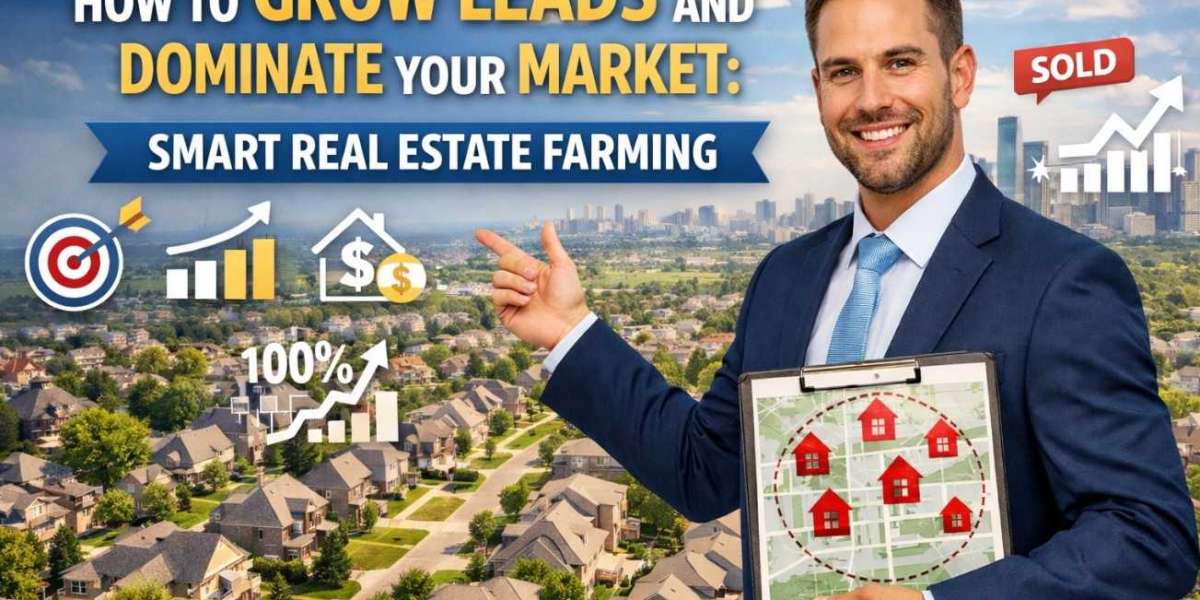

In today’s competitive real estate industry, standing out requires more than just listing properties online. Agents need to build long-term relationships, maintain consistent visibility, and strategically target homeowners who are likely to sell. This is where smart real estate farming comes into play. Unlike traditional, sporadic marketing tactics, real estate farming allows agents to systematically nurture a neighborhood or target market, turning them into loyal clients and consistent referral sources.
What is Smart Real Estate Farming?
Smart real estate farming is a data-driven, targeted marketing approach where agents focus on a specific geographic area or property type and consistently engage homeowners with tailored content. The goal is simple: become the trusted expert in that area so that when homeowners decide to sell or buy, your name is the first they think of.
Unlike random cold calling or generic marketing campaigns, smart farming relies on strategic outreach, regular communication, and precise data to maximize lead generation and conversion.
Key Components of Smart Real Estate Farming
Targeted Geographic Farming
One of the most critical aspects is identifying a specific neighborhood or ZIP code to focus on. Successful agents select areas with high turnover potential, such as regions with older homes, absentee owners, or properties that frequently sell. By concentrating marketing efforts on a defined area, agents can build familiarity and trust over time.
Multi-Channel Marketing
Modern real estate farming leverages multiple channels to reach homeowners. These include:
- Direct Mail: Postcards, letters, or newsletters highlighting local market trends.
- Email Campaigns: Personalized emails providing insights, property updates, and valuable tips.
- Social Media: Targeted posts and ads showcasing your expertise in the area.
- Phone and Voicemail Outreach: Warm touchpoints to maintain personal connections.
- By combining these channels, agents ensure consistent visibility and increase the likelihood of engagement.
Data-Driven Lead Selection
Accurate, up-to-date property and homeowner data is essential. Agents use public records, MLS data, and specialized marketing platforms to identify homeowners who are most likely to sell or require real estate services. Data-driven targeting improves efficiency and reduces wasted marketing spend.
Consistent and Personalized Communication
A critical element of success in real estate farming is consistency. One-off marketing campaigns rarely yield meaningful results. Instead, agents must maintain a regular presence through:
- Monthly newsletters or postcards
- Seasonal updates on property values
- Personal notes for holidays or milestones
Personalized communication fosters trust and positions the agent as a reliable local expert.
Benefits of Real Estate Farming
Implementing real estate farming strategies offers several advantages for real estate professionals:
- Increased Lead Generation: By focusing on a well-defined area, agents can generate high-quality leads with higher conversion potential.
- Stronger Brand Recognition: Consistent marketing builds familiarity, making your name synonymous with real estate expertise in the targeted neighborhood.
- Long-Term Client Relationships: Smart farming nurtures relationships over time, resulting in referrals and repeat business.
- Efficient Marketing Spend: Data-driven targeting reduces wasted marketing efforts and ensures your campaigns reach the right audience.
How Technology Enhances Smart Real Estate Farming
The rise of real estate marketing technology has made targeted neighborhood marketing more effective than ever. Platforms like Harvist automate sending postcards, letters, emails, and even voicemails, helping agents maintain consistent contact with homeowners.
With built-in analytics, agents can track campaign performance, measure ROI, and refine their strategies for better results. Automation allows agents to save time, focus on client relationships, and ensure no opportunity is missed. The combination of automation, data insights, and personalization forms the cornerstone of modern real estate marketing.
Steps to Implement Real Estate Farming
Select Your Farm Area
Analyze neighborhoods for property turnover, demographics, and market trends. Pick an area where your marketing efforts can have a measurable impact.
Define Your Target Audience
Identify homeowners who are most likely to sell or need services, such as absentee owners, retirees, or new families.
Create a Multi-Channel Marketing Plan
Use a combination of postcards, emails, social media ads, and phone outreach to maximize visibility.
Leverage Technology
Utilize real estate marketing platforms for automation, analytics, and lead tracking.
Track Results and Refine Strategy
Regularly monitor metrics like response rates, open rates, and leads generated. Adjust campaigns based on performance data.
Maintain Consistency
Stay top-of-mind with homeowners by ensuring that communications are timely, relevant, and continuous.
Common Mistakes to Avoid
- Neglecting Consistency: Sporadic campaigns won’t build trust.
- Targeting Too Broadly: Focus on a well-defined area rather than scattering efforts across multiple neighborhoods.
- Ignoring Data: Outdated or inaccurate homeowner data reduces campaign effectiveness.
- Overlooking Personalization: Generic messages fail to create meaningful connections.
Avoiding these pitfalls ensures your smart real estate farming campaigns deliver maximum ROI.
Final Thoughts
Smart real estate farming is no longer just an option—it’s a necessity for agents who want to dominate their local markets. By combining targeted outreach, data-driven insights, and consistent communication, agents can build a strong reputation, generate high-quality leads, and cultivate long-term client relationships.
For real estate professionals looking to grow their business efficiently, adopting smart farming strategies can be the game-changer that turns neighborhoods into loyal networks of clients.
With the right tools, dedication, and focus, real estate farming can transform your approach from random marketing efforts into a strategic, lead-generating powerhouse.
Ready to dominate your local market? Let Harvist simplify your smart real estate farming! Start automating your marketing campaigns today and watch your leads grow.
Frequently Asked Questions (FAQs)
What is smart real estate farming?
Targeted neighborhood marketing is a data-driven strategy where agents focus on a specific area or property type, consistently engaging homeowners to build trust and generate leads.
How does neighborhood marketing help generate leads?
By focusing on a defined area with personalized, consistent communication through mail, email, and social media, agents become the go-to expert, increasing the chances homeowners will reach out when selling.
Can technology improve marketing efforts?
Yes! Platforms like Harvist automate campaigns, track results, and help agents maintain regular contact with homeowners, saving time while boosting lead generation.
How long does it take to see results?
Results vary, but consistent outreach over several months builds recognition and trust, often leading to steady inquiries, referrals, and closed deals.
Is neighborhood marketing suitable for new agents?
Absolutely. With the right strategy and tools, even new agents can establish themselves as local experts and start generating high-quality leads.