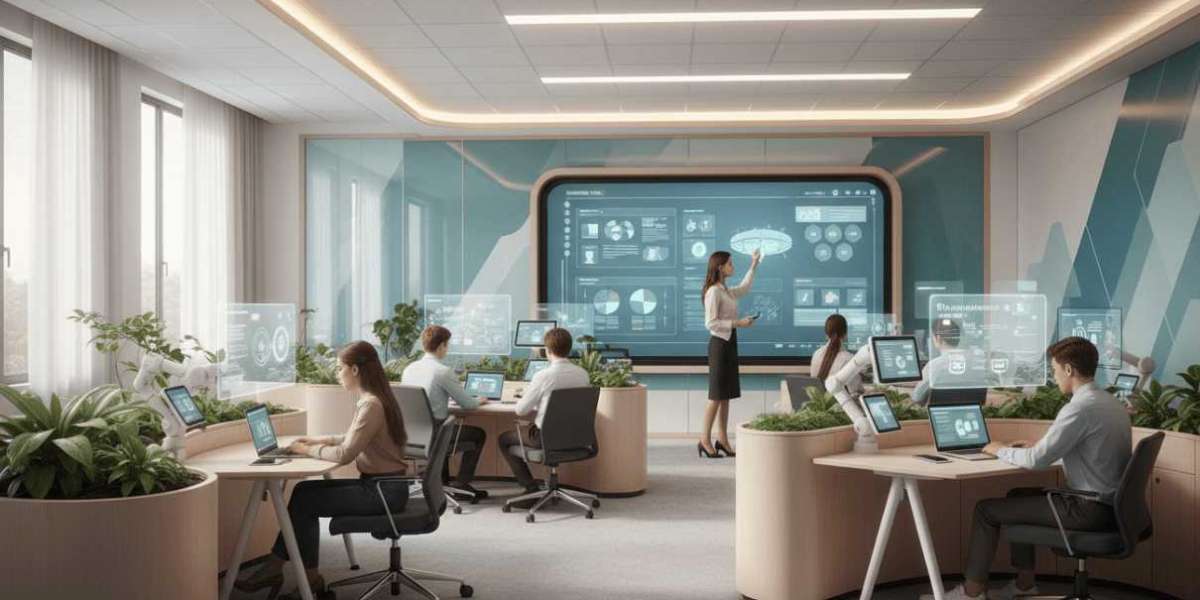

Education has always been one of the most powerful tools for shaping society, driving innovation, and improving the quality of life. However, the way people learn has changed dramatically in the last decade. Traditional classrooms with chalkboards and printed textbooks are no longer the only path to knowledge. Today, technology has completely transformed modern education, making learning more accessible, personalized, interactive, and globally connected.
The integration of digital tools has reshaped the roles of both students and teachers. Instead of relying solely on one-sided teaching, learners now interact, collaborate, and explore information independently with the support of technology. This transformation has opened opportunities for millions, removing geographical and economic barriers. Let’s explore how technology is changing the education system and why it matters for the future.
1. Online Learning Platforms Have Expanded Global Access
One of the biggest revolutions in education is the rise of online learning platforms. Whether a student is living in a big city or a remote rural village, they can access high-quality education from anywhere in the world with just an internet connection. Students today can learn subjects such as mathematics, science, languages, business, design, coding, and even professional certification courses through digital platforms.
Online learning makes education:
Flexible, because students can learn anytime and at their own pace.
Affordable, reducing costs for travel, classrooms, and printed materials.
Inclusive, supporting working professionals, homemakers, and adult learners.
Global, connecting students with instructors from different countries.
During the COVID-19 pandemic, online classes were a necessity, but now they have become a powerful long-term solution that continues to grow rapidly.
2. Smart Classrooms Improve Engagement and Understanding
Smart classrooms equipped with digital projectors, interactive smartboards, audio-visual tools, and educational apps have changed the way teachers deliver lessons. Instead of only reading and listening, students now experience learning in a more immersive and visual format.
Interactive learning tools include:
Animated videos and digital simulations that help explain complex concepts.
Virtual labs that allow students to perform experiments safely.
3D models for subjects like biology, geography, or engineering.
Gamified learning, where students earn rewards and badges for performance.
This method has improved attention levels among students and has significantly increased interest in subjects that were once considered difficult or boring, such as physics and mathematics.
3. Digital Books and E-Libraries Make Learning Easier and Cheaper
Printed textbooks often become outdated within a few years and are expensive to replace. With digital books and e-libraries, students now have access to thousands of resources instantly and at a much lower cost. Digital learning platforms regularly update content to match the latest information and curriculum standards.
Benefits of digital reading:
Easy portability, since students don’t need to carry heavy bags.
Searchable text, allowing quick access to information.
Access to notes, research papers, and study guides 24/7.
E-libraries encourage independent learning and help students build strong research and analytical skills that are essential for modern careers.
4. Skill-Based Learning for Future Careers
The modern job market demands skills rather than degrees alone. Companies today prefer students who have hands-on experience and real-world knowledge. Thanks to technology, students now have access to skill-based courses such as:
Coding and app development
Artificial intelligence machine learning
Cybersecurity and ethical hacking
Blockchain technology
UI/UX design
Digital marketing content strategy
Robotics and automation
These programs help students prepare for high-demand future careers. Many platforms even offer certifications that increase employability and open global job opportunities.
5. Personalized Learning Through AI Data
Artificial intelligence (AI) plays a major role in modern education by offering personalized learning pathways. AI-powered tools analyze student performance, strengths, weaknesses, and learning patterns, then recommend customised study plans.
Examples include:
AI tutors
Automatic grading systems
Adaptive learning apps
Progress tracking dashboards
This personalized approach helps students learn better and allows teachers to support individuals more effectively.
6. Educational Mobile Apps Make Learning Fun and Accessible
Mobile education apps allow students to learn from anywhere using smartphones. These apps include video lessons, practice tests, progress reports, doubt-solving features, and study reminders. They are especially useful for competitive exam preparation such as IIT JEE, NEET, UPSC, SAT, GRE, and language exams like IELTS.
Today’s students are digital natives — they enjoy interactive learning more than traditional methods, which is why education apps have become extremely popular worldwide.
If you are looking for a trusted online learning resource, Study Karado.com – Your Ultimate Study Companion in 2025 offers high-quality study materials, notes, and learning support for students preparing for academic and competitive exams.
The Future of Technology in Education
The future classroom will be a blend of traditional methods and advanced technology. Innovations like Virtual Reality (VR) and Augmented Reality (AR) will allow students to visit historical places, explore scientific structures, and practice real-life experiences without leaving the classroom. Robotics, blockchain records, AI mentors, and worldwide virtual campuses will further transform education.
Education is moving toward creativity, critical thinking, problem-solving, and skill-building rather than memorizing information.
Conclusion
Technology has revolutionized the world of education by making learning more inclusive, interactive, accessible, and efficient. From online platforms and smart classrooms to skill-based programs and AI-powered tools, technology continues to empower students and teachers across the globe. With the right use of digital learning, education will become even more future-oriented, preparing students to succeed in a rapidly changing world.