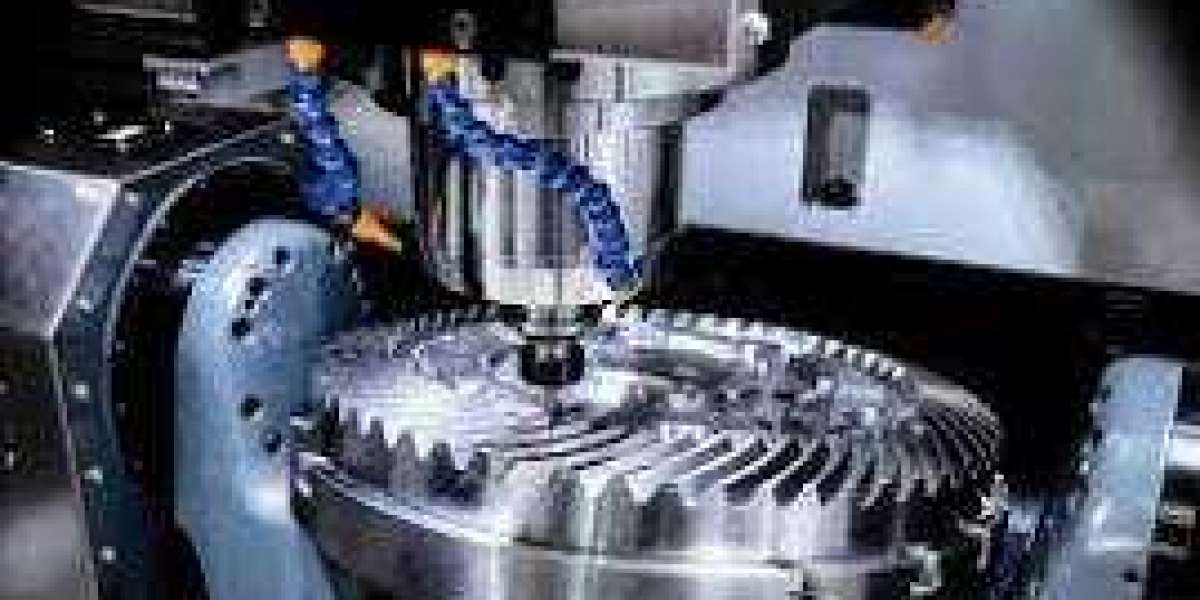

Selecting the best precision machining services for your project is one of the most important decisions you can make when developing high-quality, dependable, and accurate components. Whether you operate in aerospace, automotive, medical devices, robotics, electronics, energy, or industrial equipment, the machining partner you choose will have a direct impact on performance, cost, reliability, and long-term product success. With so many machining providers offering different technologies, capabilities, and levels of expertise, it’s essential to know how to evaluate each option carefully.
The right precision machining company not only manufactures parts but also becomes a strategic partner—helping you improve designs, reduce waste, streamline production, and achieve the tight tolerances your industry demands. Below is a comprehensive guide to help you choose the ideal precision machining service provider for your next project.
1. Assess the Provider’s Technical Capabilities
The first step in choosing a machining partner is understanding their technical equipment and specialty processes. Precision machining is a complex discipline, and not all providers offer the same level of technology or expertise.
Modern CNC Milling and Multi-Axis Machining
Look for shops equipped with advanced 3-axis, 4-axis, or 5-axis CNC milling machines. Multi-axis machining provides superior flexibility, allowing complex geometries, deep cavities, angled features, and intricate shapes to be produced accurately and efficiently.
5-axis machines in particular reduce multiple setups, improve accuracy, and enable faster turnaround times—ideal for industries requiring high-performance, high-tolerance parts.
CNC Turning and Live Tooling
For cylindrical or rotational parts, CNC turning is essential. The best machining companies use high-precision CNC lathes with live tooling, allowing them to perform drilling, milling, and threading within a single setup. This improves consistency, reduces handling time, and ensures flawless roundness and concentricity.
Specialized Processes
Depending on your project, you may also need advanced machining capabilities such as:
Wire and Sinker EDM for ultra-precise internal cuts
Swiss turning for miniature, high-detail parts
Surface grinding for extremely flat or smooth surfaces
Laser machining for delicate or intricate features
Micro-machining for small-scale components
A reliable provider will clearly list all capabilities and provide recommendations based on your specifications.
2. Look for Industry-Specific Experience
Experience within your specific industry matters. Each sector has its own tolerances, material requirements, and compliance standards. A machining company familiar with your market can quickly identify potential design challenges, performance needs, and regulatory issues.
For example:Aerospace manufacturers require extremely tight tolerances, full traceability, and high-strength materials.
Medical device companies need biocompatible materials, flawless surface finishes, and strict quality documentation.
Automotive and motorsports require durable, repeatable parts capable of withstanding stress, heat, and high-speed environments.
Choosing a provider with proven industry expertise ensures your components are manufactured correctly the first time—saving time, cost, and engineering effort.
3. Review the Provider’s Quality Control and Inspection Capabilities
Precision machining is only valuable if the finished parts meet exact specifications. Strong quality control is non-negotiable.
A high-quality machining provider should offer:
CMM (Coordinate Measuring Machine) inspection
Laser and optical measurement systems
ISO certifications (ISO 9001, AS9100, or ISO 13485 depending on industry)
Material certification and traceability
In-process and final inspections
Detailed quality reports and documentation
These systems ensure every part meets your dimensional, tolerance, and performance requirements—especially for critical components that cannot fail.
4. Evaluate Material Knowledge and Compatibility
Materials behave differently during machining. Choosing a provider experienced in your specific materials will significantly improve accuracy, durability, and surface quality.
The best machining companies work with a wide range of metals and plastics, including:
Aluminum
Stainless steel
Titanium
Brass and copper
Tool steels
Alloy steels
PEEK, Delrin, ABS, Nylon, and other engineering plastics
Aerospace-grade or heat-resistant alloys
Material expertise ensures predictable performance during machining and consistent results during production.
5. Understand Lead Times and Production Capacity
Time-sensitive projects require a machining partner who can deliver parts quickly without compromising accuracy. When evaluating providers, ask about:
Standard quoting timelines
Prototyping speed
Production lead times
Ability to handle rush orders
Capacity for small batches or mass production
Scalability for future growth
A reliable provider should offer clear communication about schedules and demonstrate the ability to meet your deadlines.
6. Evaluate Design Support and Engineering Collaboration
Some machining companies strictly follow your drawings, while others provide valuable engineering support. Providers offering Design for Manufacturability (DFM) help optimize your part to reduce unnecessary complexity, improve tolerances, and lower production cost.
Engineering collaboration can help you:
Improve overall part performance
Reduce machining time
Optimize material choices
Prevent tolerance stack-up issues
Enhance durability and consistency
This support is extremely beneficial during prototyping, new product development, and complex design projects.
7. Compare Pricing—But Avoid Choosing Based Solely on Cost
While price is important, the cheapest option can often lead to poor tolerances, delays, increased scrap, or costly rework. Instead of comparing only price, evaluate:
What services are included
Inspection and testing capabilities
Material sourcing quality
Production consistency
Engineering and design support
Delivery reliability
A quality machining partner provides competitive, transparent pricing and delivers long-term value—not just low upfront costs.
8. Consider Communication, Transparency, and Customer Service
Clear communication is essential, especially for complex or time-sensitive projects. Look for machining providers who:
Provide timely responses
Offer detailed quotes and production updates
Communicate potential challenges early
Are willing to discuss tolerances, materials, or design concerns
Assign a dedicated project manager or engineer
Strong communication ensures smooth project execution, fewer errors, and on-time delivery.
Conclusion
Choosing the best precision machining services for your project requires a thorough evaluation of the provider’s capabilities, experience, quality control, material expertise, communication, and pricing structure. A dependable machining partner not only produces accurate, high-quality parts but also helps you improve efficiency, reduce costs, and accelerate product development.
When you select a provider who aligns with your technical needs and industry requirements, you ensure consistent results, reliable performance, and greater long-term success for your projects.