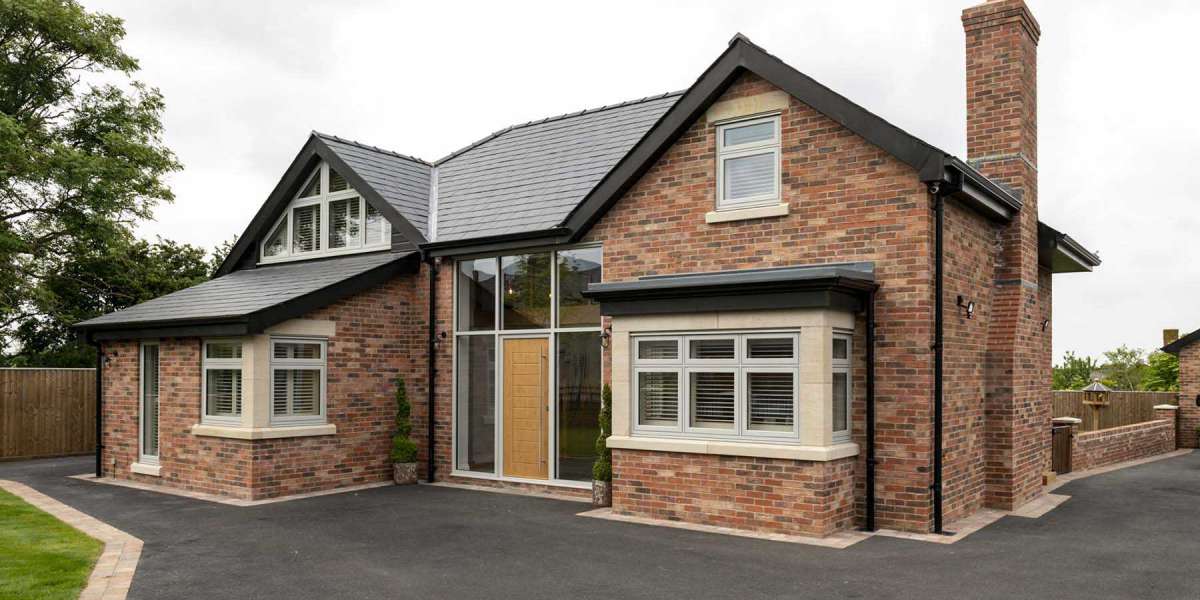
Timber entrance doors add a warm, natural character to any home, but they are constantly exposed to the elements—sun, rain, wind, humidity, and temperature fluctuations. While solid timber entrance doors are known for their strength and beauty, they also require careful consideration when it comes to weather-related challenges. Understanding how climate affects timber ensures homeowners can protect their investment and maintain the door’s performance for many years.
How Weather Exposure Affects Timber Entrance Doors
Timber is a natural material, meaning it expands, contracts, absorbs moisture, and responds to environmental changes more than synthetic alternatives. Exterior doors face some of the harshest conditions because they are positioned at the front line of weather exposure. Although high-quality timber is durable, without proper attention, it can develop issues that affect appearance and functionality.
Moisture and Humidity
Moisture is one of the most significant factors influencing timber movement. During rainy or humid periods, timber fibres absorb water, causing the door to expand. This can lead to:
- Difficulty opening and closing due to swelling
- Sticking or rubbing against frames
- Warping or bowing if the moisture exposure is uneven
- Growth of mould or mildew if left untreated
Conversely, when the weather becomes dry, moisture evaporates from the timber, causing the door to contract. Over time, repeated swelling and shrinking can weaken the structure, create gaps, or damage finishes.
Sun and UV Exposure
Sunlight is another major factor that affects the longevity of timber doors. Direct UV exposure can:
- Fade or discolour the surface
- Break down protective coatings or varnish
- Create hairline cracks as the surface dries
Homes positioned west or north-facing are often more vulnerable because those orientations receive the strongest sunlight in Australia. Without protective finishes, long-term UV damage can be challenging to reverse.
Temperature Fluctuations
Sudden temperature changes can stress timber fibres. The material expands when heated and shrinks when cooled. In climates with large temperature swings, this movement can cause:
- Slight bending or twisting of boards
- Loose joints or panel separation
- Controls or locks are becoming misaligned
Although timber naturally adjusts over time, regular instability can lead to noticeable performance issues.
Preventative Care and Maintenance Practices
Applying Protective Finishes
A high-quality paint, stain, varnish, or oil finish plays a significant role in shielding timber from UV rays and moisture. These coatings:
- Slow water absorption
- Reduce surface cracking
- Maintain colour depth and texture
- Provide a barrier against general weathering
Reapplying finishes every 12–24 months can significantly extend the life of a timber entrance door, depending on exposure and climate.
Sheltering and Design Modifications
Simple architectural features can minimise the direct impact of the weather. Many homeowners choose to install:
- A canopy or awning above the entrance
- Recessed doorway designs
- Weather seals around the frame
- Door saddles or weather strips at the base
These additions lessen rain, wind and sun exposure, helping the timber maintain structural stability.
Regular Inspection and Cleaning
Routine maintenance prevents minor issues from developing into major repairs. This includes:
- Cleaning dirt, salt, or dust buildup
- Checking for cracking, fading or peeling coatings
- Ensuring hinges and locks remain aligned
- Monitoring seasonal swelling and shrinkage
Timber responds incredibly well to light care, which is often far easier and more cost-effective than full replacement.
When to Seek Professional Assessment
Sometimes, weather damage progresses beyond what simple maintenance can resolve. Homeowners should look for signs such as:
- Persistent warping or bowing
- Visible rot or waterlogging
- Deep cracks that continue to widen
- Difficulty closing that cannot be corrected through adjustments
Early professional intervention can prevent further deterioration.
Final Thought
Timber entrance doors remain one of the most popular choices for Australian homes due to their beauty, strength, and natural appeal. However, like any natural material, timber reacts to its environment. Understanding how weather exposure influences movement, performance and appearance helps homeowners protect their door, ensuring it remains functional and visually impressive for years. With thoughtful care, appropriate finishes, and periodic maintenance, external timber doors can continue to perform reliably throughout all seasons.
Frequently Asked Questions
1. Why do timber doors swell during certain seasons?
Timber absorbs moisture from humid or wet weather, causing it to expand and temporarily change shape.
2. Can sunlight permanently damage a timber entrance door?
Yes, prolonged direct UV exposure can fade colour and weaken the finish, making the timber more vulnerable.
3. How often should a protective coating be reapplied?
Most exterior timber doors benefit from re-coating every one to two years, depending on climate and exposure.
4. What is the most significant sign of moisture damage?
Warping, mould growth, soft or spongy areas, or difficulty opening and closing are key indicators.
5. Will weather seals help prevent damage?
Yes, quality seals reduce air, water and temperature penetration, supporting longer-lasting performance.