
In today’s competitive market, a logo is more than just a visual symbol; it represents the essence of a brand. It communicates professionalism, reliability, and identity. When a logo is embroidered on uniforms, caps, or promotional products, it helps reinforce brand recognition and credibility. However, to achieve flawless embroidery results, the process begins with logo digitizing.
Understanding Logo Digitizing
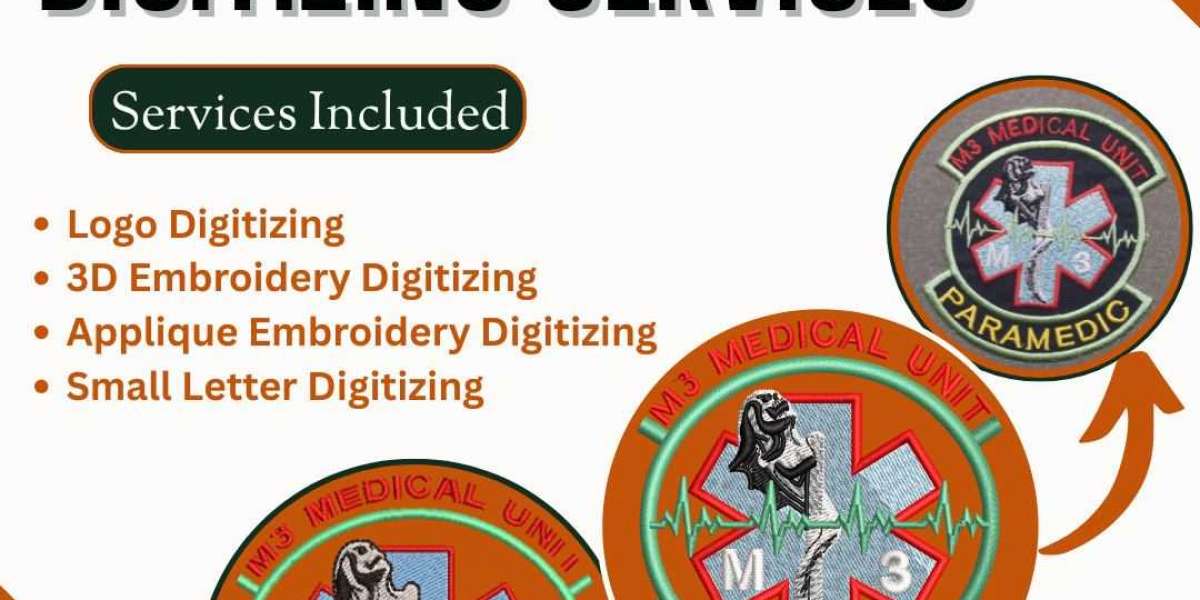
Logo digitizing is the technique of converting a company’s logo or design into a digital embroidery file. Unlike standard graphic conversion, this process requires specialized skill and software. A digitizer manually recreates each part of the logo, defining stitch direction, type, and density to ensure it translates accurately when stitched onto fabric.
Every detail is programmed with precision, so the embroidery machine knows exactly how to reproduce the design. From color changes to stitch patterns, digitizing ensures that the embroidered version of a logo is sharp, balanced, and true to the original artwork.
Why Logo Digitizing Matters
A well-designed logo can lose its impact if not digitized correctly. Professional digitizing ensures the embroidered result is clean, readable, and aligned with brand standards. Without proper preparation, designs may suffer from uneven stitching, distortion, or color mismatches.
Some key reasons why logo digitizing is vital include:
- Accuracy: Each stitch is carefully mapped for smooth lines and consistent proportions.
- Efficiency: Proper digitizing minimizes production delays and reduces thread breaks.
- Consistency: The same design can be reproduced across different products without variation.
- Adaptability: Stitch density and type are adjusted for various materials, ensuring stability on fabrics like cotton, denim, or polyester.
- Professional Finish: Balanced stitching enhances both appearance and longevity.
The Process of Logo Digitizing
Logo digitizing is both technical and creative. Skilled digitizers blend artistry with an understanding of embroidery machine mechanics to achieve precision. The process typically includes several key steps:
- Design Review: The original logo is analyzed for complexity, color count, and size to determine its embroidery potential.
- Simplification and Adjustment: Overly fine details or gradients are refined to maintain clarity in thread form.
- Stitch Selection: Various stitch types, such as satin, fill, or running stitche,s are assigned to suit different parts of the design.
- Pathing and Sequencing: Stitch order is planned strategically to ensure smooth transitions and prevent unnecessary jumps.
- Underlay Setup: A base stitch layer is added to stabilize the fabric and improve surface quality.
- Density Adjustment: Stitch density is fine-tuned based on fabric type to prevent puckering or distortion.
- Test Run: A sample embroidery is created to ensure accuracy before full-scale production.
Each step plays a critical role in ensuring the final embroidery matches the intended design and maintains high-quality standards.
Benefits of Professional Logo Digitizing
Partnering with an experienced digitizing service offers measurable advantages for businesses and designers alike. It ensures quality control, efficiency, and long-term usability.
Some benefits include:
- Improved Brand Presentation: A clear and precise embroidered logo reflects professionalism.
- Durability: Properly digitized designs hold up through frequent washing and wear.
- Reduced Production Errors: Optimized stitch paths lower the risk of thread breaks or misalignment.
- Reusability: Once a logo is digitized, it can be reused for multiple products and materials.
- Scalability: The design can be resized for different embroidery placements without losing definition.
Applications of Logo Digitizing
Logo digitizing is widely used across industries where embroidery adds value and identity. It supports both large-scale corporate orders and individual customization. Common applications include:
- Corporate Branding: Embroidered logos for uniforms, caps, and accessories.
- Sportswear: Team emblems, numbers, and logos on jerseys and bags.
- Promotional Products: Branded merchandise such as tote bags, towels, or hats.
- Workwear: Durable embroidery for industrial and service uniforms.
- Fashion and Custom Design: Personalized branding for clothing lines and creative projects.
No matter the purpose, professional digitizing ensures that every embroidered logo looks consistent, durable, and aligned with brand standards.
Choosing the Right Logo Digitizing Service
The outcome of embroidery depends largely on the skill of the digitizer. A reliable logo digitizing service focuses on precision, customer satisfaction, and adaptability. When choosing a service, consider the following qualities:
- Experienced Digitizers: Professionals who understand embroidery software, stitch behavior, and fabric properties.
- Multi-Format Compatibility: Support for popular embroidery machine formats like DST, PES, EXP, and JEF.
- Attention to Detail: Proper handling of stitch density, layering, and color transitions.
- Customer Support: Open communication and flexibility for revisions or adjustments.
- Consistent Results: Uniform quality across different fabrics and project types.
A dependable service ensures your logo is digitized accurately and ready for efficient production.
Final Thoughts
Logo digitizing is the foundation of professional embroidery. It combines creative skill with technical precision to transform artwork into a stitch-perfect representation of a brand’s identity. High-quality digitizing not only preserves the integrity of a logo but also ensures that it appears clean, consistent, and durable on every product.
For businesses, investing in professional logo digitizing is a strategic choice that enhances visual branding, ensures long-lasting results, and supports efficient embroidery production. When executed with care and expertise, logo digitizing transforms a simple design into a tangible symbol of quality and professionalism, one stitch at a time.