
One of the biggest challenges we face is plastic waste. Every year, millions of tons of plastic end up in landfills and oceans, polluting our planet. To address this problem, recycling has emerged as a powerful solution, and plastic recycled granules play a key role in this process. These granules are helping industries reduce waste, lower costs, and move toward sustainable production.
What Are Plastic Recycled Granules?
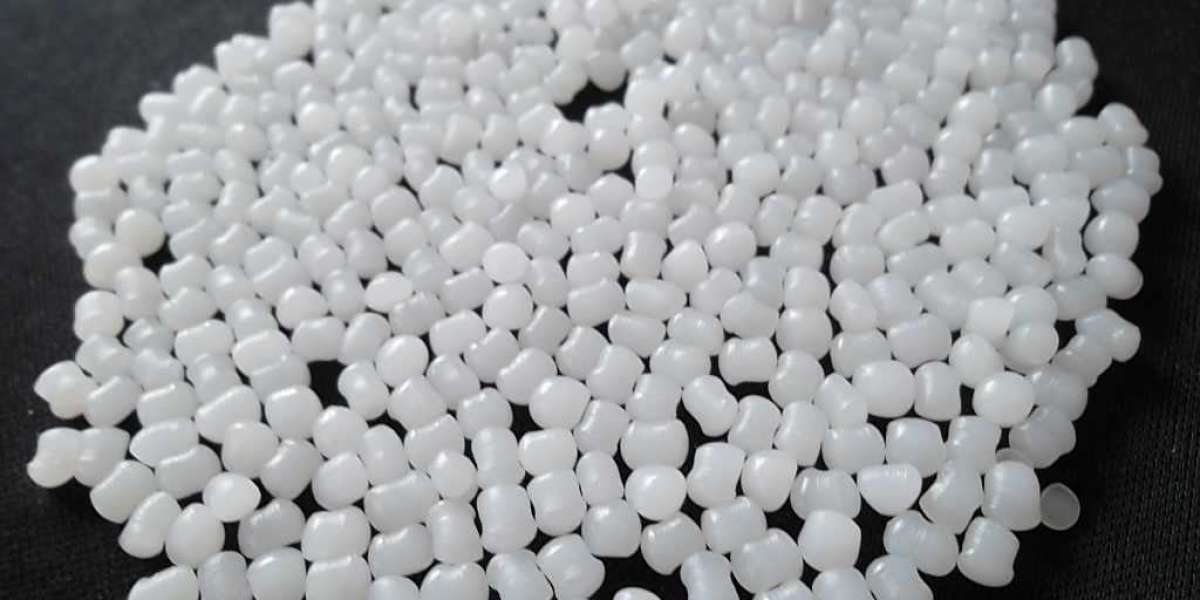
Plastic recycled granules are small, uniform pellets made from waste plastic materials that have been collected, cleaned, and processed. These granules can be reused to manufacture new plastic products, reducing the need for virgin plastic. The recycling process transforms used plastic items such as bottles, containers, packaging materials, and industrial scraps into reusable raw material.
These granules come in different types depending on the kind of plastic they are made from. Common examples include:
Recycled PP (Polypropylene) Granules
Recycled HDPE (High-Density Polyethylene) Granules
Recycled LDPE (Low-Density Polyethylene) Granules
Recycled PET (Polyethylene Terephthalate) Granules
Each type of plastic recycled granule has unique properties, such as flexibility, strength, or clarity, making it suitable for specific industrial uses.
How Plastic Recycled Granules Are Made
The production of plastic recycled granules follows several steps to ensure quality and usability. The process includes:
Collection and Sorting
Used plastic waste is collected from households, industries, and packaging sectors. It is then sorted based on type, color, and quality to ensure that the final granules are consistent.Cleaning and Shredding
The collected plastic is washed to remove dirt, labels, and residues. Once cleaned, it is shredded into small pieces.Melting and Extrusion
The shredded plastic is melted and passed through an extruder, forming long strands of molten plastic.Cooling and Cutting
The plastic strands are cooled and then cut into small, uniform granules.Testing and Quality Check
The recycled granules are tested for strength, color, and texture before being packaged for use in manufacturing.
This entire process not only prevents waste from entering the environment but also reduces the demand for virgin plastic, saving energy and raw materials.
Applications of Plastic Recycled Granules
Plastic recycled granules are widely used across multiple industries because of their affordability and eco-friendly nature. Here are some of the main applications:
1. Packaging Industry
Recycled granules are used to make containers, bottles, and plastic films. They provide a cost-effective way to create packaging materials without relying entirely on new plastic.
2. Construction Materials
In construction, recycled plastic granules are used to make pipes, fittings, tiles, and insulation materials. These products are durable, lightweight, and resistant to moisture.
3. Automotive Sector
The automotive industry uses recycled granules to manufacture various car parts, including dashboards, bumpers, and interior panels. This helps reduce the carbon footprint of vehicle production.
4. Household Products
Everyday items like buckets, chairs, storage boxes, and dustbins are often made using recycled granules. These products are sturdy, affordable, and available in various colors and designs.
5. Textile and Fiber Industry
Recycled PET granules are commonly used in making synthetic fibers for clothing, carpets, and bags. This process helps reduce waste from plastic bottles while supporting the textile market.
Benefits of Using Plastic Recycled Granules
The use of plastic recycled granules offers numerous benefits that go beyond cost savings. Some of the key advantages include:
1. Environmental Protection
By reusing plastic waste, industries help reduce pollution and the amount of plastic that ends up in landfills and oceans. This contributes directly to a cleaner and greener planet.
2. Conservation of Natural Resources
Recycling reduces the need for raw materials like petroleum, which is used to make new plastic. This helps conserve energy and natural resources.
3. Energy Efficiency
Producing recycled plastic granules consumes significantly less energy compared to producing virgin plastic. It is a more energy-efficient and sustainable option for manufacturers.
4. Cost-Effective Manufacturing
Since recycled granules are cheaper than new raw plastic, manufacturers can reduce production costs without compromising on quality.
5. Promotes Circular Economy
Using recycled granules supports a circular economy, where materials are reused instead of being discarded. This helps create a sustainable production cycle.
6. Reduces Carbon Emissions
Recycling plastic helps minimize the emission of greenhouse gases that contribute to climate change. By using recycled materials, industries can lower their carbon footprint.
Challenges in Using Plastic Recycled Granules
While plastic recycled granules are highly beneficial, there are some challenges that industries face during their use:
Quality Variation – Recycled granules may sometimes have inconsistent quality depending on the source of waste plastic.
Limited Applications – Certain industries, like food packaging, require high-quality virgin plastic for safety reasons.
Collection and Segregation Issues – Proper collection and sorting of waste plastic is still a challenge in many regions.
Public Awareness – Many consumers are unaware of the benefits of recycled products, which affects demand.
Overcoming these challenges requires better recycling infrastructure, awareness programs, and government support to promote sustainable practices.
The Future of Plastic Recycling
As technology continues to improve, the recycling industry is becoming more efficient. Advanced sorting machines, chemical recycling methods, and better waste management systems are making it easier to produce high-quality recycled granules. Governments and industries around the world are also encouraging the use of recycled materials to reduce environmental impact.
In the future, we can expect more products to be made entirely from recycled plastics, creating a circular system where waste is continuously transformed into new items. This shift will help reduce dependence on virgin plastic and promote long-term environmental balance.
Conclusion
Plastic recycled granules are a practical and sustainable solution for reducing plastic waste and promoting eco-friendly production. They are being used in almost every industry — from packaging and construction to automotive and textiles. By adopting recycled granules, manufacturers can lower costs, save energy, and protect the environment at the same time.
At duhaindustries, the commitment to using and promoting sustainable materials like plastic recycled granules supports the vision of a cleaner and greener future. Embracing recycling today will help build a world where innovation and environmental care go hand in hand.