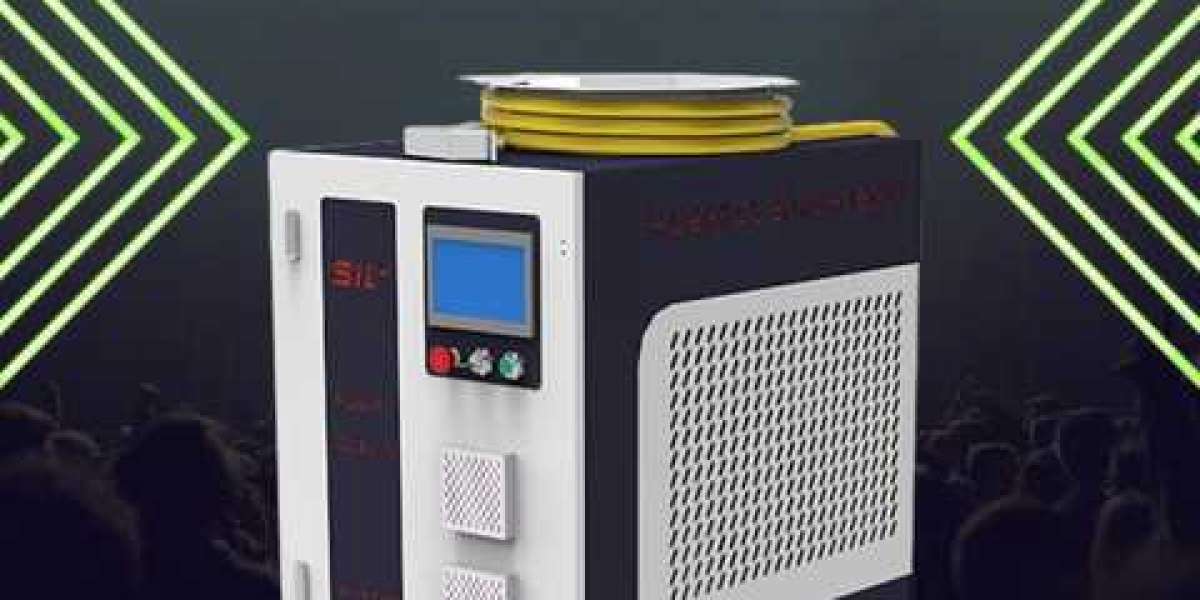

This technology aligns with the growing demand for efficiency, accuracy, and eco-friendly cleaning in industrial settings.
Understanding the Fiber Laser Cleaning Machine
A fiber laser cleaning machine operates by using a high-energy laser beam focused on a surface to vaporize or remove unwanted materials. The process depends on the difference in absorption rates between contaminants and the substrate. When the laser beam hits the surface, it selectively removes rust, oil, or paint layers without affecting the underlying metal. This precision makes fiber laser cleaning one of the most controlled methods available for industrial cleaning applications.
Unlike mechanical or chemical methods, the laser cleaning process doesn’t involve consumables or cause secondary waste. The fiber laser system produces a beam that interacts directly with the material, breaking the bonds of surface impurities. This ensures that the treated area remains smooth, consistent, and ready for further processes like welding, painting, or coating.
The Working Principle Behind Fiber Laser Cleaning
The core of the fiber laser cleaning machine lies in its optical fiber-based laser source. The laser light is generated within a fiber medium doped with rare-earth elements such as ytterbium. When electrical energy excites the medium, it emits a focused laser beam that can be precisely directed toward the target surface.
When the beam contacts the contaminated area, the high-intensity light energy is absorbed by the rust or coating layer. This absorption causes rapid heating, expansion, and eventual vaporization or detachment of the surface layer. Since metals like steel or aluminum reflect a significant portion of the laser wavelength, the underlying material remains safe from damage.
The process parameters such as laser power, pulse width, and scanning speed are adjustable. Operators can tune these settings based on the surface condition and material type. For example, removing heavy rust requires higher power and slower scanning, while cleaning delicate components involves lower energy and faster movement.
Key Applications in Industrial Sectors
The fiber laser cleaning machine is widely adopted across various industries due to its versatility and precision. It plays a critical role in sectors such as automotive, aerospace, shipbuilding, power generation, and manufacturing.
In automotive plants, it is used to clean welding seams, molds, and engine components before assembly or coating. Aerospace companies use it to prepare turbine parts, remove oxides, and restore metal surfaces without causing structural changes. In power plants, it assists in removing corrosion from pipelines and turbines, extending equipment lifespan.
The shipbuilding industry benefits from its ability to clean large metal structures quickly without producing harmful emissions. Manufacturers also rely on it for surface preparation before adhesive bonding, painting, or anodizing. The technology’s adaptability makes it suitable for both small workshops and large-scale production environments.
Environmental and Operational Efficiency
The fiber laser cleaning machine has redefined how industries approach sustainability. Traditional cleaning methods often involve chemical solvents, sandblasting, or abrasive media, all of which produce waste and require costly disposal processes. In contrast, fiber laser cleaning operates cleanly, without chemicals or additional materials.
This non-contact process reduces environmental impact and minimizes operator exposure to hazardous substances. Additionally, the laser equipment consumes less energy compared to conventional cleaning systems. The machine’s design emphasizes long service life, requiring minimal maintenance and offering consistent performance over time.
Because of its operational efficiency, many industries are transitioning from outdated cleaning methods to fiber laser systems. The ability to automate the cleaning process also contributes to higher productivity and lower labor costs.
Precision and Control in Cleaning Operations
One of the defining strengths of the fiber laser cleaning machine is its controllability. The laser beam can be focused to a fine point or expanded for broader cleaning, depending on the application. This flexibility allows operators to handle both delicate components and large surfaces with equal accuracy.
Modern machines come with user-friendly interfaces that allow precise adjustments to parameters like beam intensity, frequency, and scanning path. The use of galvanometer scanning systems ensures consistent beam movement, enabling smooth and uniform cleaning results.
This high level of precision reduces the risk of over-cleaning or damaging sensitive parts. It also ensures uniform texture and surface readiness for subsequent operations such as coating or welding.
Technological Development and Adaptability
The design of the fiber laser cleaning machine continues to evolve with advancements in laser technology. Recent models offer compact designs, mobile configurations, and even handheld options for flexible operation. The integration of automated systems and robotics enhances efficiency in large-scale industrial applications.
Fiber laser sources are known for their stability and longevity, often exceeding tens of thousands of operating hours without performance degradation. This reliability makes them ideal for continuous production environments where downtime must be minimized.
Additionally, the technology’s adaptability allows it to be customized for specific cleaning requirements. Whether for micro-scale component cleaning in electronics or large-scale rust removal in shipyards, fiber laser cleaning systems can be tailored to match the operational environment.
Safety and Handling Guidelines
Operating a fiber laser cleaning machine requires adherence to safety protocols. Laser light, especially in high-power systems, can be hazardous to eyes and skin. Operators should always use protective eyewear that matches the laser’s wavelength range. Enclosed or shielded setups are preferred in industrial environments to minimize accidental exposure.
Proper ventilation is essential when cleaning materials that may produce fumes or particles during the laser process. While laser cleaning eliminates the need for chemical waste, the ablated material can still generate fine dust that needs to be managed through appropriate extraction systems.
Regular calibration and inspection of the laser optics ensure consistent performance and safety compliance. By following these guidelines, users can maintain both high efficiency and safe operation.
The Future of Industrial Cleaning Technology
As industries move toward automation and sustainability, the fiber laser cleaning machine stands out as a cornerstone technology for modern manufacturing. Its combination of precision, speed, and cleanliness positions it as a leading alternative to traditional cleaning techniques.
Ongoing research focuses on improving energy efficiency, beam quality, and adaptability to different materials. With continued innovation, fiber laser cleaning is expected to become even more cost-effective and accessible across industries.
From restoring heritage artifacts to maintaining aerospace components, its range of applications continues to expand. This growth demonstrates how the technology aligns with global goals for clean manufacturing and resource efficiency.
Final Thoughts
The fiber laser cleaning machine represents a pivotal shift in industrial surface treatment. Its non-contact, efficient, and environmentally responsible operation makes it suitable for diverse applications where precision and reliability are essential. As industries continue to prioritize sustainable production and quality assurance, fiber laser cleaning is set to remain a vital part of modern industrial processes.
This technology not only transforms how cleaning is performed but also sets a new standard for what industries can achieve in terms of surface preparation, material preservation, and long-term operational efficiency.