
In the world of sports, recovery can be just as important as training. Whether it’s a professional athlete pushing limits or someone who enjoys recreational fitness, the body often undergoes stress, microtears, and inflammation. Without proper recovery, performance and long-term health can suffer. This is where cold therapy has become a trusted ally, especially through specialized devices like shoulder cryo cuffs.
Athletes are turning to these tools because they combine the benefits of ice therapy with targeted compression, providing relief for injuries and speeding up the natural healing process. But what exactly makes shoulder cryo cuffs so effective, and why are they being widely used in athletic circles today?
The Challenge of Shoulder Injuries in Athletes
The shoulder is one of the most mobile joints in the human body, making it highly vulnerable to strains, sprains, and overuse injuries. Sports like swimming, tennis, baseball, basketball, and weightlifting put consistent pressure on the shoulder joint and surrounding muscles. This often leads to inflammation, soreness, or even more serious conditions such as rotator cuff injuries.
Traditional ice packs can provide relief, but they often fail to deliver consistent cooling or remain in place long enough to be effective. Athletes, therefore, seek solutions that are not only reliable but also convenient enough to use during busy training or competition schedules.
Why Shoulder Cryo Cuffs Stand Out
Cryo cuffs are designed to improve upon conventional cold therapy methods. They combine cold temperatures with controlled compression, which helps reduce swelling more efficiently. This dual-action therapy promotes faster healing compared to ice packs or wraps alone.
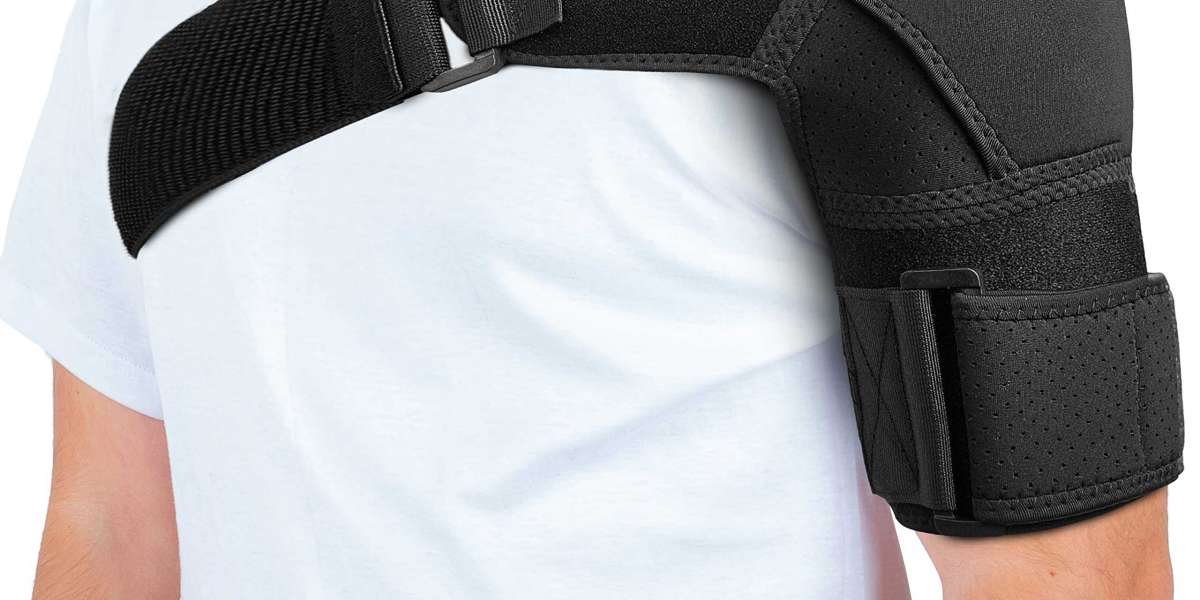
For example, the Aircast shoulder cryo cuff is specifically engineered to fit snugly around the shoulder joint. This ensures even distribution of cold therapy across the injured or sore area. Unlike a regular bag of ice that loses its chill quickly, these devices maintain consistent cooling for extended periods, making them highly effective for post-workout recovery and injury management.
How Cryo Cuffs Aid Faster Recovery
1. Targeted Cooling
The design of a shoulder cryo cuff ensures that cold therapy reaches deep into the joint and muscle tissue. By targeting the affected area, athletes experience quicker pain relief and reduced inflammation.
2. Controlled Compression
Compression is equally important in reducing swelling. A cryo cuff gently compresses the shoulder while delivering cold therapy, which helps decrease blood flow to the injured site and minimizes fluid build-up.
3. Comfort and Convenience
Unlike traditional ice bags that slip or melt too quickly, cryo cuffs are user-friendly. They can be worn while resting, reading, or even working at a desk. For athletes balancing hectic routines, this convenience is a major benefit.
4. Support for Rehabilitation
Injury recovery often requires consistent therapy sessions. Cryo cuffs make it easier for athletes to follow through with their rehabilitation programs. By ensuring consistent application of cold and compression, they support long-term joint health and stability.
Athletes Who Benefit the Most
While cryo cuffs can be helpful to anyone with shoulder discomfort, they are particularly beneficial for:
- Baseball pitchers and tennis players who frequently experience rotator cuff strain.
- Swimmers who rely heavily on shoulder strength and flexibility.
- Weightlifters and CrossFit enthusiasts who deal with repetitive shoulder stress.
- Basketball players prone to overhead arm movements and impact injuries.
For these groups, adopting shoulder cryo cuffs isn’t just about faster recovery it’s also about protecting their performance and prolonging their athletic careers.
Comparing Cryo Cuffs with Other Cold Therapy Methods
Some athletes wonder if traditional ice packs, cold sprays, or gels can achieve similar results. While these options provide short-term relief, they often lack consistency. Ice packs, for example, warm up quickly and don’t apply even pressure. Sprays and gels may offer temporary cooling but do not address swelling as effectively.
Devices like the aircast cryo cuff shoulder stand apart because they combine both cold and compression in a controlled manner. This makes them more reliable and efficient for athletes who need a long-term recovery strategy rather than a quick fix.
The Role of Cryo Cuffs in Preventive Care
It’s not only injuries that push athletes to use cryo cuffs. Many athletes also use them as a preventive measure. By applying cold therapy after intense training or competition, they reduce muscle fatigue and lower the risk of overuse injuries. This proactive approach can be the difference between staying in peak condition and dealing with extended downtime due to injury.
Moreover, consistent recovery methods improve performance. Athletes who recover well are able to train harder and more frequently, which is crucial for achieving competitive goals.
Why More Athletes Are Choosing Cryo Cuffs
The growing popularity of shoulder cryo cuffs highlights an important trend in sports recovery: the move toward smarter, more efficient solutions. Rather than relying solely on rest or pain medication, athletes now have tools that directly target the source of discomfort. This shift not only accelerates recovery but also promotes overall well-being.
The practical design, long-lasting cooling effects, and combined compression benefits make cryo cuffs a staple in many athletes’ recovery kits. For those serious about their health and performance, this investment often pays off in fewer injuries and faster returns to training.
Conclusion
Athletes understand that every training session counts, but so does every step taken toward recovery. Shoulder cryo cuffs offer a powerful solution for managing pain, reducing swelling, and speeding up the healing process. They provide targeted care in a way that traditional methods cannot match.
For those interested in exploring effective cold therapy options, platforms like Cold Therapy.us provide access to reliable products that support recovery and long-term joint health. Taking the time to invest in proper recovery tools can make all the difference in athletic performance and well-being.