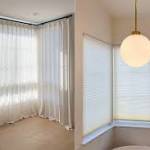
Window treatments solutions are frequently viewed through the singular lens of interior design—mere accessories to enhance a room's aesthetic. However, a deeper, semantic analysis reveals that these solutions are multi-faceted elements that address core functional, environmental, and architectural concerns. By categorizing window treatments based on their primary semantic domains, we can move beyond surface-level descriptions to appreciate their complex utility in modern living spaces.
Semantic Domain 1: Functional Control
This domain addresses the fundamental, practical utility of a window treatment. Its primary function is the active management of the environment within a space.
| Semantic Concept | Description | Corresponding Solutions (Examples) | Key Metrics |
| Light Modulation | The ability to adjust, filter, or block incoming natural light to manage glare, protect furnishings, and set ambiance. | Blinds (Venetian, Vertical, Mini - precise slat control), Solar Shades (UV filtering opacity), Sheer Shades (light diffusion). | Illumination (Lux), Glare Reduction, UV Blockage Percentage. |
| Privacy Management | The capacity to obscure the interior from external view, offering security and personal comfort. | Blackout Curtains/Shades (Maximum opacity), Shutters (Adjustable louvers), Top-Down/Bottom-Up Shades (Targeted coverage). | Opacity Level, View-Through during day/night. |
| Thermal Regulation | The system's role in insulating the window to minimize heat transfer, thereby improving energy efficiency. | Cellular/Honeycomb Shades (Trapped-air cells for insulation), Lined Draperies (Heavy fabric barrier), Low-E Window Film (Retrofit energy barrier). | R-Value (Insulation), Energy Savings Percentage. |
| Acoustic Dampening | The material's property to absorb or block external noise, contributing to a quieter indoor environment. | Heavy Drapery (Thick, layered fabric), Lined Roman Shades (Dense fabric structure). | Noise Reduction Coefficient (NRC). |
Semantic Domain 2: Form and Materiality (Aesthetic Structure)
This domain focuses on the physical manifestation of the window treatment, linking its form and composition to its overall visual and tactile impact.
| Semantic Concept | Description | Corresponding Solutions (Examples) | Associated Style |
| Soft Treatments | Solutions primarily composed of flexible, pliable fabrics, emphasizing texture, flow, and traditional elegance. | Curtains (Unlined, light fabric), Draperies (Lined, heavier fabric), Roman Shades (Fabric folds). | Traditional, Romantic, Layered, Formal. |
| Hard Treatments | Solutions constructed from rigid materials (wood, metal, vinyl, composite), prioritizing structure, clean lines, and durability. | Blinds (Slats of wood/metal/faux wood), Shutters (Fixed or operable louvers within a frame). | Classic, Transitional, Industrial, Built-in. |
| Woven Natural Treatments | Solutions made from organic, textured materials that introduce an earthy or artisanal quality. | Woven Wood/Bamboo Shades (Natural fibers), Textured Fabric Shades (Linen, Jute). | Bohemian, Coastal, Contemporary Organic, Rustic. |
| Top Treatments | Decorative elements mounted at the very top of the window to conceal hardware and complete the visual frame. | Valances (Soft fabric), Cornices (Hard, box-like structure). | Finished, Custom, Detailed. |
Semantic Domain 3: Operational Modality
This domain categorizes solutions based on the method used to manipulate or control them, directly impacting convenience, accessibility, and integration with modern technology.
| Semantic Concept | Description | Corresponding Solutions (Examples) | Functional Benefit |
| Manual Operation | Requires direct physical interaction (cord, wand, or hand pull) to adjust the treatment's position or tilt. | Corded Blinds/Shades, Wand-Tilt Blinds, Standard Drapery on a Rod. | Simplicity, Low Cost, Reliability. |
| Cordless/Safety Operation | Utilizes an internal spring or tension system for adjustment, prioritizing child and pet safety. | Cordless Cellular Shades, Cordless Roller Shades, Hidden-Tilt Shutters. | Child Safety, Clean Aesthetic. |
| Motorized/Automated Operation | Adjustment via a remote control, wall switch, or integrated smart home system (e.g., voice control, scheduled operation). | Motorized Blinds, Automated Roller Shades, Smart Shades. | Convenience, Accessibility, Energy Management (Scheduled). |
| Fixed/Stationary Treatment | Non-adjustable elements used purely for decoration, light diffusion, or architectural framing. | Stationary Side Panels (Drapery), Interior Window Film, Architectural Shutters. | Permanent Aesthetic, Unobstructed View (when open). |
Conclusion: The Integrated Solution
By understanding window treatments within this semantic framework, consumers and designers can move beyond simply asking, "What looks good?" to a more comprehensive inquiry: "Which solution best modulates light and temperature while providing the desired aesthetic of a natural-woven material through an automated operational modality?"
The most effective window treatment is rarely a one-dimensional choice. Instead, it is an integrated solution that optimally balances the demands of Functional Control (e.g., insulation), Form and Materiality (e.g., modern lines), and Operational Modality (e.g., smart home integration) to create a perfect, harmonious living environment.